
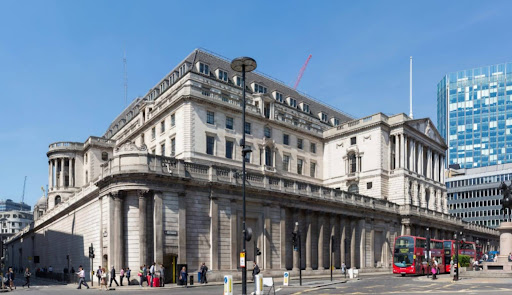
While Thursday’s vote to keep rates at 3.75% was unanimous, the Bank of England’s monetary policy committee is far from united on what comes next, as the war in the Middle East reshapes the UK’s inflation landscape. Several members who had been inclined to cut rates before the conflict changed direction, citing the risk of sustained energy price inflation. The decision has left markets uncertain about the pace and timing of future policy moves.
The trigger for the reassessment is the US-Israel military campaign against Iran, which has pushed global energy prices sharply higher in recent weeks. This threatens to reverse the disinflationary trend that had been building in the UK economy, with the Bank now projecting inflation to rise toward 3.5% in the near term. Officials described this as a “new shock” to an economy already navigating a difficult post-pandemic recovery.
Deputy governors Sarah Breeden and Dave Ramsden indicated they had been leaning toward a rate cut before the war broke out, suggesting the conflict fundamentally altered the policy calculus. On the other side, voices including external member Megan Greene warned of upside inflation risks and the sensitivity of the public to further price increases after years of above-target inflation. The committee’s internal debate reflects the genuine uncertainty about how the conflict will evolve.
Labour market data published on the same day painted a picture of a cooling economy, with wage growth slowing sharply and unemployment rising to 5.2%. Under normal circumstances, such data would have strengthened the case for rate reductions. The energy shock, however, has complicated that conventional analysis in ways that give policymakers pause.
Financial markets remain divided on the path ahead, with some analysts arguing two hikes are now inevitable while others believe the Bank will find a way to resume cutting. Governor Andrew Bailey’s deliberate ambiguity on future actions appears designed to preserve flexibility in an uncertain environment. The next inflation data and any developments in the Middle East will likely be decisive.