
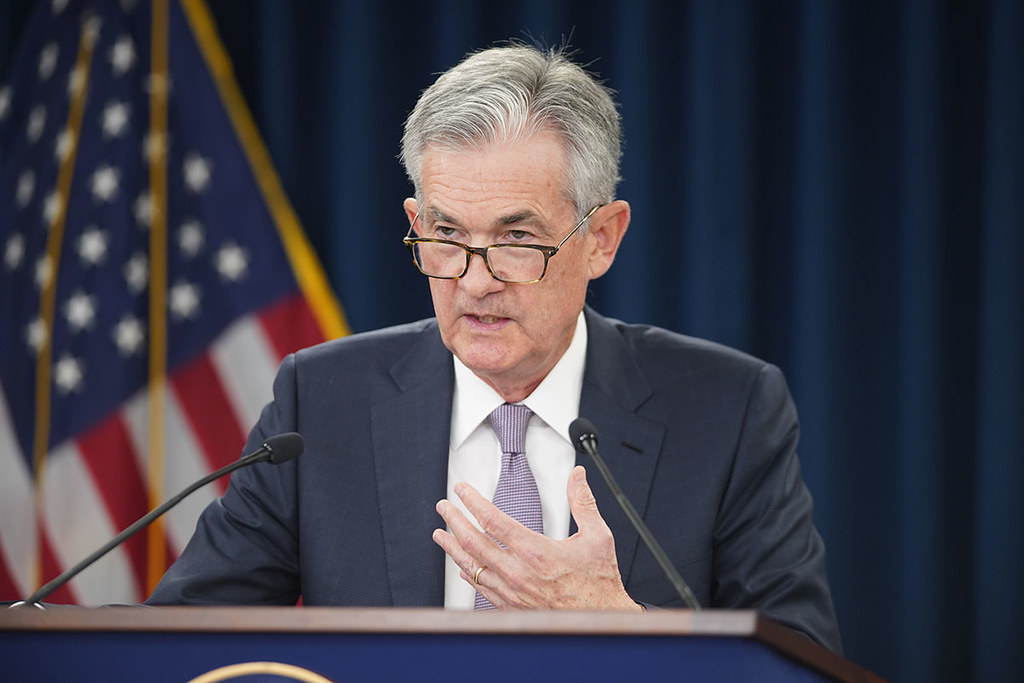
The Federal Reserve’s final meeting of the year occurs as political influence on monetary policy reaches levels rarely seen in recent decades. With reports indicating Kevin Hassett as a leading candidate to succeed Chair Jerome Powell in May, the administration’s preferences for aggressive rate cuts loom large over this week’s deliberations.
Hassett, currently serving as director of the national economic council, has been among the most vocal advocates for lower interest rates. He has consistently argued that additional cuts would stimulate economic growth without triggering inflation, a position that contrasts sharply with Powell’s more cautious approach. The potential transition of power in May adds urgency to the current policy debates.
The Fed has already implemented two half-point rate cuts since September, reducing borrowing costs to a 3.75% to 4% range. Markets expect a third cut on Wednesday, but internal disagreement among the committee’s 12 voting members raises questions about whether consensus can be achieved. This discord reflects genuine differences in economic forecasts and risk assessment, but it also occurs against a backdrop of external pressure.
Powell’s term expires in May after serving since 2018, having been appointed initially and then reappointed four years later. His leadership has emphasized the Fed’s traditional independence from political influence, even as inflation surged to 9.1% in 2022 and required aggressive policy responses. The chairman’s measured approach has sometimes clashed with administration preferences for faster economic growth.
The current economic environment complicates the picture further. Both inflation and unemployment have risen between April and September, creating difficult trade-offs that the Fed’s single policy tool cannot simultaneously address. The six-week government shutdown that closed the Bureau of Labor Statistics means officials lack October’s economic data entirely. As Wednesday’s announcement approaches, the question isn’t just about this week’s rate decision but about the broader direction of monetary policy in an increasingly politicized environment.