
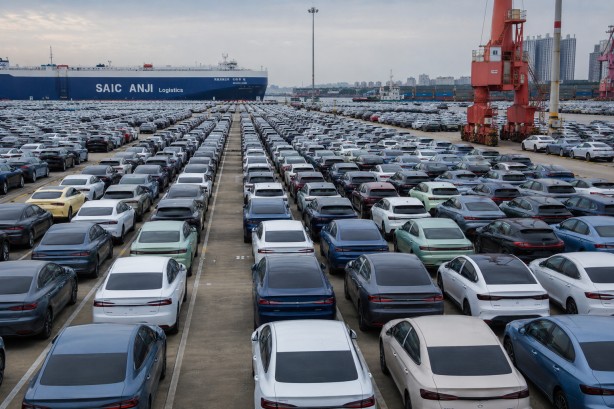
China has swiftly ascended to become the world’s largest market for electric vehicles, driving significant developments in major companies and reshaping the global automotive landscape. This rapid evolution, while impressive, has raised flags about potential overproduction and mounting competition within the sector.
In the last ten years, a combination of government incentives, substantial local investment, and robust consumer demand has prompted hundreds of companies to venture into the electric vehicle industry. This strategy has not only given rise to some of China’s most successful automakers but has also bolstered the nation’s leadership in battery technology and clean transportation solutions.
However, the current production capabilities have surpassed market needs in certain areas, resulting in surplus capacity. This has led to price wars and financial strains throughout the industry. As manufacturers slash prices to lure customers and increase their market presence, competition has intensified. While this fierce competitive environment pushes smaller companies to struggle, larger firms persist in making significant investments in technology, production, and expanding their international reach.
Chinese authorities have recently expressed concerns regarding the potential risks of unchecked growth due to overcapacity. Industry experts highlight the critical need to balance innovation and competition with a focus on sustainable long-term growth. The challenge lies in managing these dynamics to prevent economic instability.
Nevertheless, China holds its position as a global leader in the electric vehicle sector. Its manufacturers are not only expanding their influence in international markets but are also playing a pivotal role in redefining the future of transportation. Despite the challenges, the country’s commitment to innovation in this sector remains robust.