
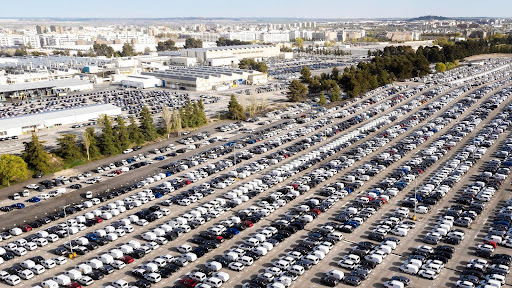
Chinese car companies are aggressively expanding their international footprints as the home market nears its saturation point. The strategy has shifted from simply exporting vehicles to building complex, localized ecosystems that include manufacturing and R&D. This evolution is necessary to sustain the momentum that has made China the world’s leading vehicle exporter.
In the past year, China saw a 21.1% increase in vehicle exports, totaling 7.09 million units. This marks the third consecutive year the nation has led the world in this category. The growth is seen across various markets, including the Middle East and South America, involving brands like BYD, Chery, and Tesla.
The New Energy Vehicle (NEV) sector is the primary engine behind these impressive export figures. NEV exports doubled last year to 2.61 million units, representing a significant portion of the total outbound volume. This shift toward electrification is helping Chinese brands gain a competitive advantage in the global transition to green energy.
With domestic sales reaching a massive 34 million units, experts predict that internal growth will slow significantly to just 1% by 2025. This limited potential at home makes overseas expansion a “structural necessity” for Chinese automakers. The focus is now on establishing a permanent presence in international markets to ensure continued success.
To achieve this, Chinese firms are following the localized production models of established giants like Toyota. By producing a large portion of their vehicles in the markets where they are sold, these companies can operate more efficiently and sustainably. This transition marks the next chapter in the globalization of the Chinese auto industry.