
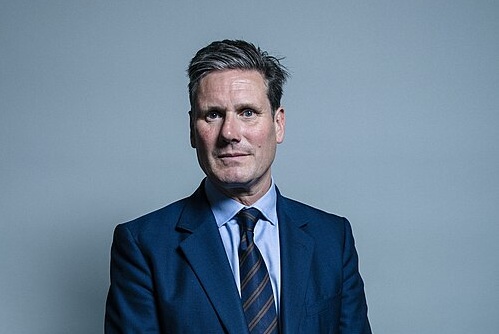
Prime Minister Keir Starmer has issued a stark message to the British public and his political rivals: Labour’s economic strategy is a long-term project that cannot be judged by immediate results. Following a contentious budget week that saw Chancellor Rachel Reeves announce £26bn in tax increases, the Prime Minister is stepping in to steady the ship. He argues that the government is prioritizing a “big, bold long-term plan” over the temptation of quick political fixes.
Writing in response to fierce backlash, Starmer defended the heavy tax burden imposed by Reeves, insisting it was a necessary step to stabilize the economy. He rejected the notion that the government had misled the public regarding economic forecasts, standing firmly beside his Chancellor. According to Starmer, the administration should be evaluated on its achievements at the end of the parliament, rather than in the volatile days following a budget announcement.
The Prime Minister is set to outline a multi-year vision focused on deregulation and strengthening ties with Europe. A significant portion of this plan involves “difficult things” such as welfare reform. Starmer has indicated that the government will look to overhaul the system to prevent people from being trapped in cycles of dependency, specifically pointing to failures in supporting those with mental health issues or neurodivergence.
This defense comes amidst calls from the Conservative opposition for Rachel Reeves to resign. Tory leader Kemi Badenoch has accused the Chancellor of misleading voters about the dire state of public finances to justify tax hikes, a claim the government vehemently denies. Despite the political storm, Labour points to positive market reactions—specifically a drop in borrowing costs—as evidence that their fiscal discipline is already yielding results.
Starmer remains defiant against critics on both the left and the right. He characterizes the alternatives—either reckless borrowing or a return to severe austerity—as “politics of decline.” By sticking to a rigid plan of economic renewal, he believes Labour will eventually deliver on its promises, urging the country to accept the necessity of hard decisions now for a renewed Britain later.