
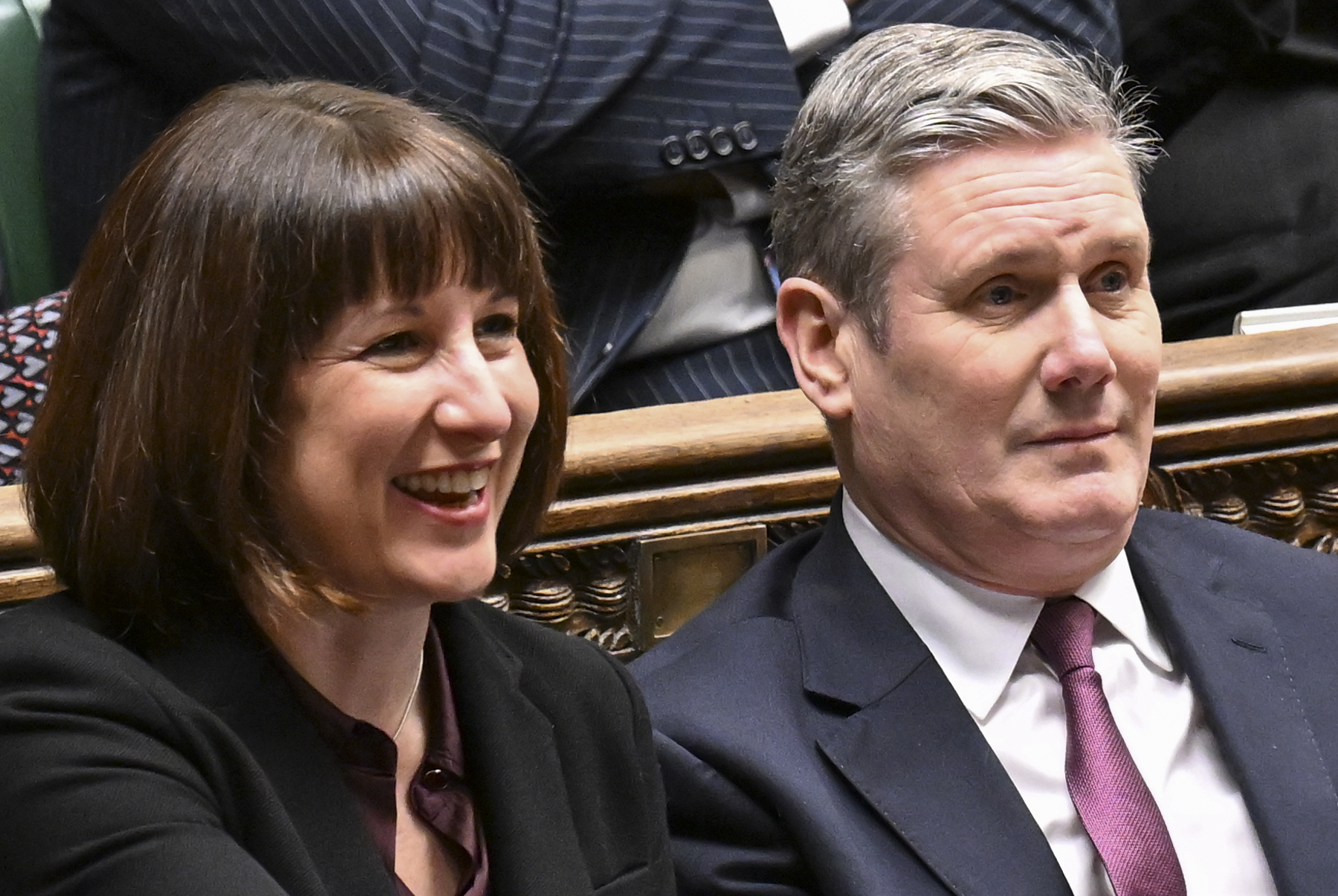
Prime Minister Keir Starmer has pushed back against accusations that Labour broke its election promises, insisting the government “kept to our manifesto” despite implementing £26 billion in tax increases. The budget included extending the freeze on income tax and national insurance thresholds for another three years, a move that has drawn criticism given Labour’s campaign pledge not to raise taxes on working people.
During an interview with Sky News, Starmer acknowledged that the budget “asked everybody to contribute” but defended the approach as necessary and equitable. He emphasized three key priorities driving the tax decisions: protecting the National Health Service, investing in schools, and addressing the cost of living crisis. The prime minister maintained that ministers had “absolutely done the least possible we can” to minimize the impact on ordinary citizens.
When pressed about potentially misleading voters, Starmer refused to apologize and instead highlighted the decision to scrap the two-child benefit cap, which will lift 450,000 children out of poverty by 2029-30. This measure, costing £3 billion annually, has been a long-standing demand from Labour MPs and poverty charities who view the cap as the primary driver of child poverty in the UK.
The prime minister rejected suggestions that the policy change was made to shore up his political standing, calling it his “longstanding ambition” rather than a recent political calculation. He emphasized that addressing child poverty has been central to his political vision for years, not just something adopted in response to recent pressures.
Chancellor Rachel Reeves also defended the budget measures, admitting that working people would need to pay more but insisting she kept increases to an “absolute minimum.” She pointed to targeted tax rises on betting companies, properties worth over £2 million, and landlords as evidence of a fair approach. The chancellor expressed confidence in defying economic forecasts, noting that the Office for Budget Responsibility had already revised its growth projection from 1% to 1.5% for the current year.